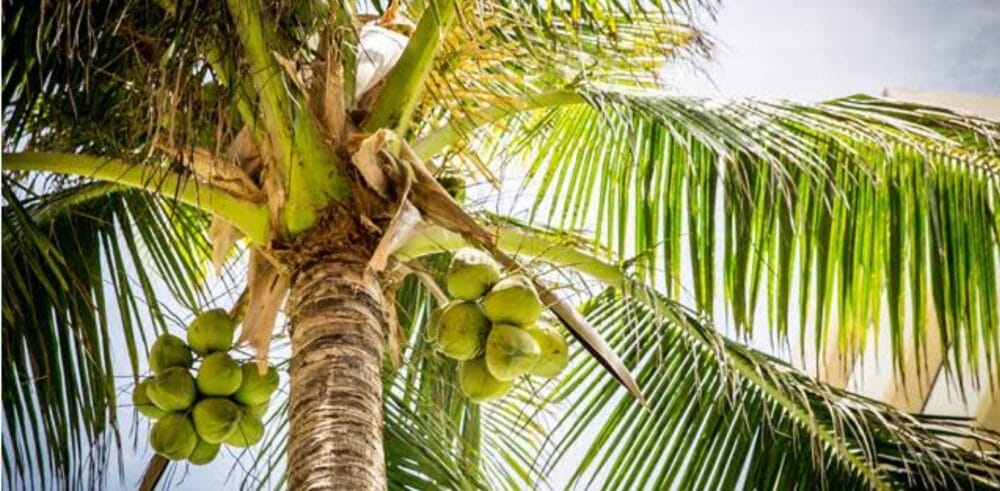
Major Diseases of Coconut Tree
The coconut tree (Cocos nucifera) is one of the most important plantation crops in tropical regions, especially in India. It provides food, oil, fiber, fuel, and livelihood to millions of farmers. However, coconut palms are vulnerable to several diseases caused by fungi, bacteria, phytoplasma, and viruses.
These diseases can significantly reduce yield, weaken palms, and even lead to complete tree death if not managed in time. Understanding common coconut tree diseases, their symptoms, and control measures is essential for sustainable coconut cultivation.
Table of Contents
1. Root Wilt Disease
Root wilt disease is one of the most destructive diseases of coconut palms in India, particularly in Kerala, Tamil Nadu, and Karnataka. It is caused by phytoplasma and spreads mainly through insect vectors.
Symptoms:

- Yellowing of leaflets starting from older leaves
- Leaflets show marginal necrosis and drying
- Flaccid leaves that droop down
- Reduced nut size and poor yield
- Gradual weakening of the palm
Management:
- Remove severely affected palms to prevent spread
- Improve soil fertility with organic manure and balanced fertilizers
- Apply neem cake and maintain proper irrigation
- Control insect vectors using recommended pesticides
2. Bud Rot Disease
Bud rot is a serious fungal disease caused by Phytophthora palmivora. It commonly occurs during monsoon seasons with high humidity.
Symptoms:
- Yellowing and wilting of the spindle leaf
- Foul-smelling rotting at the crown
- Spindle leaf easily pulled out
- Crown collapse in advanced stages
Management:
- Remove and destroy affected tissues immediately
- Apply Bordeaux paste (1%) to the crown
- Ensure proper drainage to avoid water stagnation
- Spray copper-based fungicides during rainy seasons
3. Stem Bleeding Disease
Stem bleeding disease is caused by the fungus Thielaviopsis paradoxa. It affects the trunk of coconut palms.
Symptoms:
- Reddish-brown liquid oozing from cracks on the trunk
- Blackened and decayed tissues beneath the bark
- Reduced growth and nut production
Management:
- Chisel out diseased portions and apply coal tar or Bordeaux paste
- Improve soil drainage
- Avoid injuries to the trunk
- Apply fungicides as preventive measures
Also Read:How Often to Fertilise Your Tomato Plants
4. Leaf Rot Disease
Leaf rot often occurs as a secondary disease in palms affected by root wilt. It is caused by fungi such as Colletotrichum and Exserohilum species.
Symptoms:
- Black or brown lesions on leaflets
- Rotting of spindle leaves
- Drying and shredding of leaves
Management:
- Remove and burn infected leaves
- Spray fungicides like mancozeb or copper oxychloride
- Improve sunlight penetration and air circulation
5. Grey Leaf Spot Disease
Grey leaf spot is a common fungal disease caused by Pestalotiopsis palmarum, especially in young coconut palms.
Symptoms:
- Grey or brown spots with yellow halos on leaves
- Coalescence of spots leading to leaf drying
- Reduced photosynthesis and growth
Management:
- Spray fungicides such as carbendazim or mancozeb
- Maintain field sanitation
- Avoid overcrowding of palms
Also Read: Diseases of Sugarcane: Causes, Symptoms, and Management
6. Nut Rot (Mahali) Disease
Nut rot disease affects developing coconut nuts and is caused by Phytophthora species.
Symptoms:
- Water-soaked lesions on immature nuts
- Premature nut fall
- Rotting of husk and kernel
Management:
- Spray Bordeaux mixture on bunches
- Remove fallen infected nuts
- Improve drainage and reduce humidity
Importance of Preventive Measures
Preventing coconut diseases is more effective than curing them. Farmers should adopt integrated disease management practices such as:
- Using healthy planting material
- Maintaining proper spacing and drainage
- Applying organic manure and bio-fertilizers
- Regular monitoring of palms
- Timely application of fungicides and biocontrol agents
Healthy palms with good nutrition are more resistant to diseases and produce higher yields.
Frequently Asked Questions (FAQ)
Q1. What is the most common disease of coconut trees?
Root wilt and bud rot are among the most common and damaging diseases of coconut trees in India.
Q2. Can coconut tree diseases be cured completely?
Some diseases can be managed effectively if detected early, but advanced stages may not be fully curable.
Q3. How can farmers prevent coconut diseases naturally?
Using organic manure, neem cake, proper drainage, and good field sanitation helps prevent many diseases.
Q4. Does excess water cause coconut diseases?
Yes, water stagnation encourages fungal diseases like bud rot and stem bleeding.
Q5. How often should coconut trees be inspected for diseases?
Coconut palms should be inspected at least once a month, especially during the rainy season.
Q6. Are chemical fungicides safe for coconut trees?
When used as per recommended doses, fungicides are safe and effective for disease control.
Also Read: Horticultural crops :: Plantation crops :: Coconut